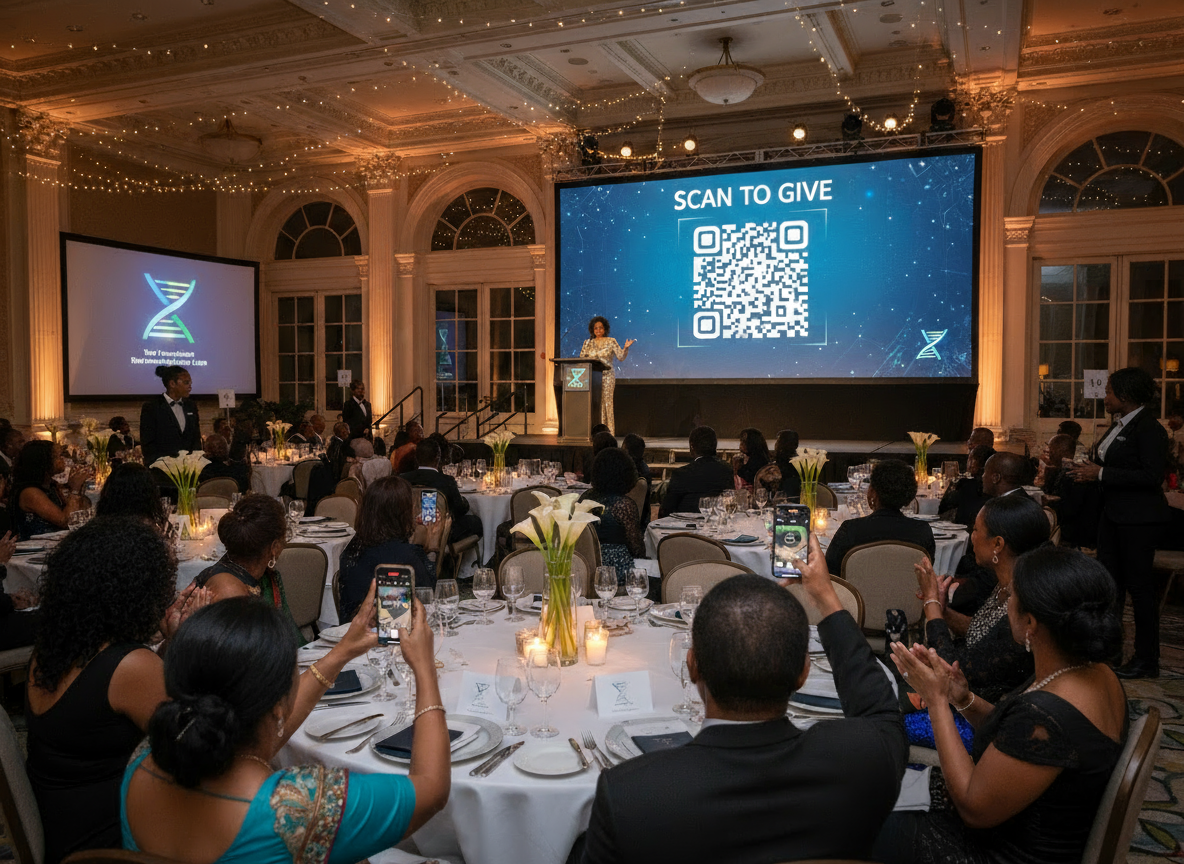
Imagine your inbox overflowing after a successful fundraising event. The real work begins: thanking donors, updating them on impact, and keeping them connected. Strong relationships are your nonprofit’s lifeblood, but with limited staff, consistent, personalized communication often falls by the wayside. Loyal supporters get overlooked, or receive generic messages. The result? Waning engagement, and the real impact of their generosity feels less tangible. We’ve seen this frustration countless times.
The Problem: Inconsistent Donor Engagement Costs More Than You Think
For many nonprofits, donor communication is reactive. A donation comes in, a thank-you is sent, then silence until the next appeal. This sporadic approach erodes trust and diminishes a donor’s perceived value. Inconsistent communication makes supporters feel less connected to your mission, wondering if their gift truly made a difference. This has real financial implications.
Why it Matters: The Hidden Costs of Neglecting Your Donors
Acquiring new donors is a substantial investment, yet many organizations inadvertently push existing donors away through poor communication. A study by the Fundraising Effectiveness Project found that donor retention rates hover around 45% [1]. This means nearly half of your donors from last year won’t give again. Often, it’s a breakdown in communication: a lack of consistent updates, personalized appreciation, or clear impact reporting. The real cost isn’t just the lost donation; it’s the lost advocacy, volunteer hours, and opportunity for deeper engagement.
Imagine a small animal rescue organization. They raise $10,000. If they send a generic thank-you email two weeks later and then nothing for six months, donors might forget the specific animals they helped. An organization that sends immediate, personalized thank-yous and monthly impact emails will see higher retention and repeat donations.
- Audit your current donor communication touchpoints. Map out every interaction a donor has from their first gift to their most recent. Identify gaps and inconsistencies.
The Agitation: When Good Intentions Aren’t Enough
We know you care deeply about your donors. Your team works tirelessly, often wearing multiple hats. The challenge isn’t a lack of desire to communicate; it’s a lack of a robust, reliable system. Manual processes are prone to error, take up valuable staff time, and don’t scale. Intentions to send quarterly impact reports often fail without automated triggers or clear workflows, leading to delays or missed communications. This creates a cycle of missed opportunities and reactive scrambling.
Why it Matters: The Strain on Your Team and Your Mission
Ad-hoc communication means your team spends precious hours on repetitive tasks that could be automated, diverting energy from higher-value activities like building personal relationships or securing major gifts. The constant pressure to catch up can lead to burnout. More importantly, if donors aren’t consistently informed and engaged, their support may dwindle, directly affecting your ability to deliver on your promises.
A small nonprofit relies on one staff member for all donor communications, grant writing, event planning, and volunteer coordination. Hours are spent manually sending thank-you notes and tracking donor preferences, leaving little time for strategic outreach. The result is a reactive and inconsistent communication strategy.
- Document the current time spent on manual communication tasks. Calculate the opportunity cost: what else could your team be doing if these tasks were streamlined?
The Solution: Building a Real Donor Communication System
The good news: you don’t have to choose between personal connection and efficient processes. We build real donor communication systems that leverage automation to enhance human touch. A well-designed system ensures every donor receives the right message at the right time, consistently and without overwhelming your team. It frees up your staff to focus on deepening relationships and advancing your mission.
Why it Matters: Consistency Builds Trust and Drives Impact
Consistent, thoughtful communication builds trust and makes donors feel valued. A systemized approach means:
- Timely Acknowledgments: Immediate, personalized thank-yous reinforce the donor’s decision.
- Regular Impact Updates: Clear, concise updates demonstrate tangible results, keeping your mission top-of-mind.
- Personalized Journeys: Communication adapts to each donor’s history and preferences.
- Reduced Staff Burden: Automated repetitive tasks free your team for strategic outreach and personal calls.
Your animal rescue organization has a system. A donation triggers an automated email within minutes, thanking the donor and including a photo of an animal their gift helped. This consistent communication keeps donors engaged and feeling like a vital part of your work.
- Research CRM systems or email marketing platforms with automation features. Look for tools that integrate with your existing donor database.
Key Components of an Effective Donor Communication System
Building a robust system involves interconnected parts. We focus on creating an infrastructure that is both efficient and deeply human.
1. Automated Thank-You Sequences
80% of first-time donors who receive a personalized thank-you within 48 hours are more likely to give again [2]. Our systems ensure a thoughtful, customized thank-you goes out within minutes of a donation, acknowledging the specific gift and its potential impact. We use dynamic fields to pull in donor names, gift amounts, and even the specific project they supported, making each message feel hand-crafted.
Prompt and personalized gratitude sets the tone for the donor relationship, validating their decision and making them feel like a valued partner. This immediate positive reinforcement significantly increases the likelihood of future engagement.
A donor contributes to your food bank. Within five minutes, they receive an email from your Executive Director, thanking them by name, mentioning the amount, and explaining their donation will provide 50 meals. This immediate, tangible connection makes the donor feel good and confident in your organization.
- Map out a 3-part automated thank-you sequence: immediate acknowledgment, a short impact story a week later, and a call to follow your social media a month later.
2. Segmented Impact Reporting
Donors have varied interests. A system allows us to segment your donor base and deliver impact reports that resonate with their specific passions. Whether they care about animal welfare, youth education, or environmental conservation, we ensure they receive stories and data directly related to their interests. This targeted approach makes your communication far more relevant and engaging.
Generic newsletters get ignored. Showing donors the specific impact of their giving in areas they care about reinforces their connection to your mission and demonstrates you understand their philanthropic goals. This personalized reporting transforms abstract numbers into compelling narratives.
Your environmental nonprofit has donors supporting reforestation and others funding ocean cleanups. Your system automatically sends detailed updates on reforestation to one group and ocean cleanup progress to the other. Each donor feels their specific contribution is recognized and utilized effectively.
- Categorize your donor base by primary interests or giving history. Identify 2-3 key impact areas for separate reporting.
3. Automated Engagement Journeys
Automated journeys provide a consistent path for communication, from welcoming new supporters to re-engaging lapsed donors. We design sequences that guide donors through different stages of their relationship, ensuring they receive appropriate messages at each step. This proactive approach keeps them informed, inspired, and connected.
A structured engagement journey prevents donors from feeling neglected or overwhelmed. It provides a predictable rhythm to your communication, fostering reliability and sustained connection. This systematic nurturing helps convert one-time givers into loyal, long-term supporters.
A new volunteer signs up for your community garden project. Your system automatically sends a welcome email with orientation details, followed by a series of emails sharing gardening tips, success stories, and opportunities to get more involved. This structured onboarding ensures they feel supported and integrated.
- Outline a simple 3-month engagement journey for new donors, including welcome, impact story, and a soft ask for continued support.
4. Data-Driven Refinement
A real system isn’t static; it evolves. We integrate analytics to track open rates, click-through rates, and donor responses. This data provides invaluable insights into what resonates with your audience, allowing us to continuously refine and optimize your communication strategy. We use these insights to make data-backed decisions, ensuring your messages are always as effective as possible.
Guesswork is replaced by evidence. By understanding which messages perform best, you can allocate your resources more effectively and continuously improve your donor engagement. This iterative process ensures your communication remains fresh, relevant, and impactful.
Your monthly donor newsletter has a low open rate. Analyzing the data, you discover subject lines focusing on financial figures perform poorly, while those highlighting personal stories of impact have higher engagement. You adjust your subject line strategy, leading to a significant increase in open rates and donor interaction.
- Set up tracking for your email communications. Review open rates, click-through rates, and conversion rates monthly to identify trends and areas for improvement.
Quick Win vs Long-Term Impact
– Quick Win: Implement an automated thank-you email for all online donations. This can be set up in less than an hour with most CRM or email marketing platforms and immediately improves donor experience.
– Long-Term Impact: By consistently acknowledging and reporting impact to your donors through a system, you cultivate a loyal base of supporters who feel deeply connected to your mission, leading to increased retention and larger, more consistent contributions over time. This frees up your team to focus on strategic growth rather than reactive communication.
Common Mistakes to Avoid When Building Your System
While the benefits of a donor communication system are clear, we also want to be real about the potential pitfalls. It’s not enough to just automate; you need to automate smartly. Here are common missteps we see organizations make:
- Over-automation without personalization: Too many automated messages lacking personal touch feel mechanical. The goal is to scale personalization, not eliminate it. We ensure dynamic content and segmentation are at the core of any automated sequence.
- Setting it and forgetting it: A system needs regular review and optimization. Donor preferences change, and your mission evolves. We build in checkpoints to analyze performance and make adjustments, ensuring your communication remains fresh and relevant.
- Ignoring the human element: Automation handles routine, but doesn’t replace genuine human connection. We emphasize that the system should free up your team to make personal phone calls, host intimate donor events, and build one-on-one relationships that truly deepen engagement.
Avoiding these mistakes ensures your investment in a communication system yields the real results you’re looking for: stronger donor relationships, increased retention, and greater impact for your mission.
A nonprofit implements an automated email series but forgets to segment their audience. Long-time donors receive the same welcome messages as new prospects, leading to confusion and disengagement. The system fails to deliver personalized value, undermining donor trust. We see this often, and it’s why we emphasize thoughtful design over mere automation.
- Before implementing any automation, clearly define the purpose and target audience for each communication piece. How will it add value to that specific donor?
Conclusion: Build a System, Build Real Relationships
We understand that building a comprehensive donor communication system can feel daunting. However, it’s one of the most impactful investments you can make. It empowers your team to focus their energy on building deep, meaningful relationships. A well-crafted system ensures every donor feels seen, appreciated, and connected to the real impact of their generosity, consistently and reliably. It allows your small team to operate with the efficiency and reach of a much larger one, without sacrificing authenticity.
Ready to transform your donor engagement and free up your team to focus on your mission? Contact BSMG Digital today for a free consultation on building a donor communication system that works for you.
References
[1] Fundraising Effectiveness Project. (n.d.). Fundraising Effectiveness Project 2023 Report. Retrieved from https://afpfep.org/
[2] Bloomerang. (n.d.). Donor Retention Statistics. Retrieved from https://bloomerang.co/blog/donor-retention-statistics/