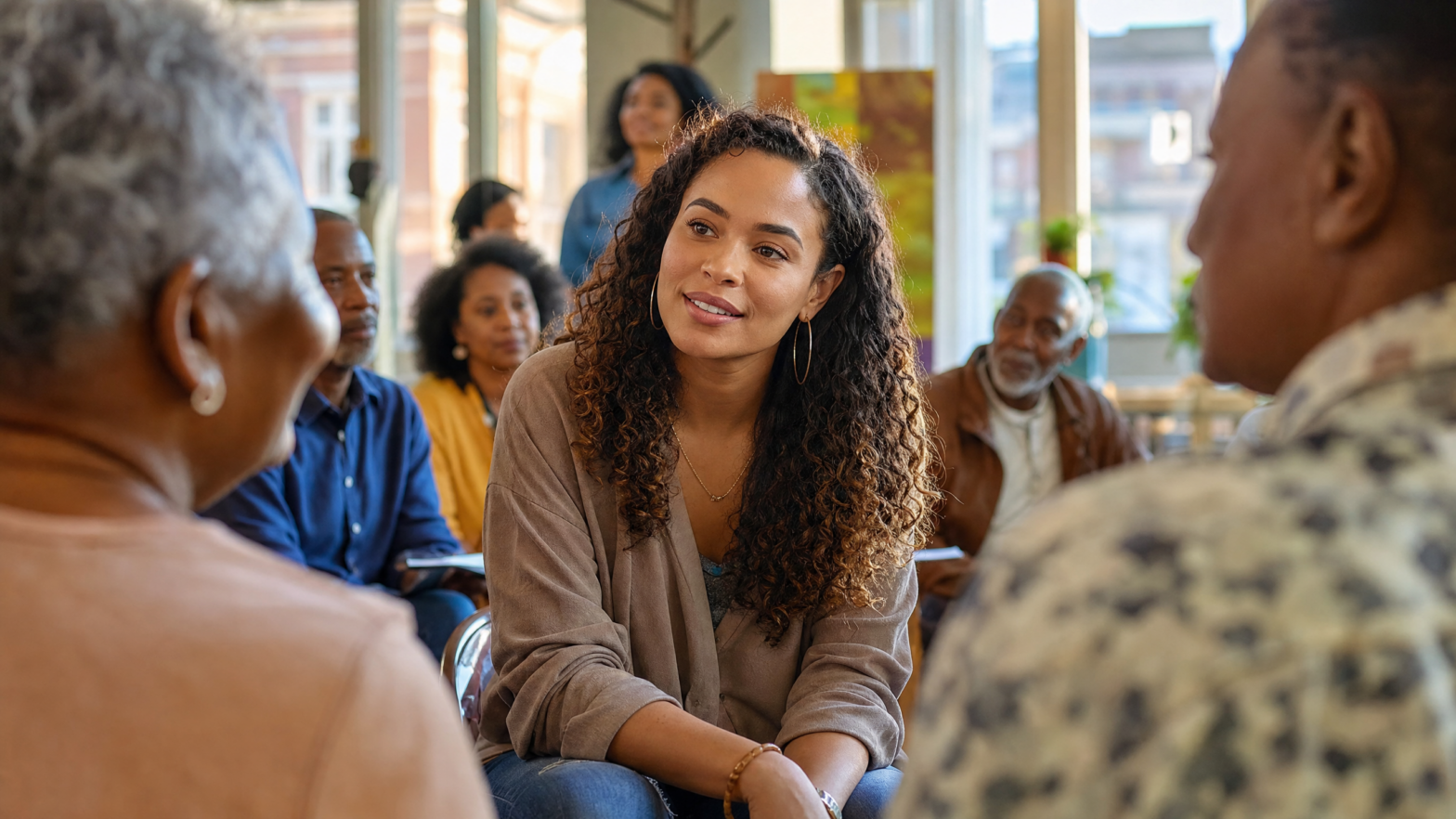
It’s 2026, and the midterm cycle is in full swing. You’re running a local campaign—maybe for school board, city council, or a crucial ballot initiative. You know your message is strong, your volunteers are passionate, but there’s a problem: getting that message to voters in a digital landscape that feels more fragmented and noisy than ever before. How do you cut through the clutter when you’re up against well-funded opponents and a sea of online distractions? We understand this real challenge, and we’re here to help you build a digital strategy that actually connects with your community. This isn’t just about winning an election; it’s about fostering genuine connection and ensuring your message resonates deeply within the communities you serve.
The Unseen Cost: Why Local Campaigns Struggle Digitally
Many local campaigns still rely on outdated digital tactics, or worse, no cohesive digital strategy at all. They might have a basic website, an occasional social media post, and perhaps a few emails sent out before election day. But in today’s world, that’s simply not enough. The cost of this oversight is immense: missed opportunities to engage potential voters, a failure to build genuine community support, and ultimately, losing elections that could have been won with a smarter, more empathetic approach. We’ve seen the heartbreak when passionate advocates lose not because their message was weak, but because it never truly reached the hearts and minds of their community.
The Shifting Landscape: Voters Demand Digital Presence
7 in 10 voters research candidates online before deciding. This isn’t just a statistic; it’s the new reality. Voters are looking for information, vetting candidates, and forming opinions long before they step into a polling booth. If your campaign isn’t present, professional, and persuasive online, you’re invisible to a significant portion of the electorate. We’ve seen countless campaigns pour resources into traditional outreach while neglecting the very platforms where voters are making their decisions. This isn’t about chasing trends; it’s about meeting your community where they already are.
Your Practical Digital Playbook for 2026: Building Authentic Connections
We believe that even with a small budget, local campaigns can build a powerful digital presence that mobilizes voters and wins elections. It’s about being strategic, authentic, and consistent. Here’s our playbook for success in 2026, designed to help you build real relationships and move voters, not just numbers.
1. Craft a Campaign Website That Truly Connects
Your website isn’t just an online brochure; it’s your campaign’s central hub. It’s where voters go to learn about your platform, find volunteer opportunities, and donate. A poorly designed or difficult-to-navigate website can turn potential supporters away instantly. We’ve seen campaigns lose hundreds of volunteer hours and thousands of dollars in donations because their website wasn’t optimized for action. It’s a missed opportunity to build trust and facilitate engagement.
Why it matters: A professional, user-friendly website builds credibility and makes it easy for supporters to engage. It’s the foundation of your entire digital operation, a digital handshake with every potential voter.
Concrete example: Imagine a voter hears about your campaign on social media. They click through to your website, expecting to quickly find your stance on local issues, upcoming events, and a clear way to sign up for updates. If they encounter a slow, cluttered site, they’ll likely leave and forget about your campaign. A well-structured site, however, guides the voter through your vision, making them feel heard and understood, and empowering them to take the next step.
2. Master Social Media for Community Engagement
Social media is no longer just for broadcasting; it’s for building community. Local campaigns thrive when they use platforms like Facebook, Instagram, and even TikTok to listen, respond, and foster dialogue. It’s about creating a two-way conversation, not just pushing out messages. We’ve seen campaigns transform apathy into activism by genuinely engaging with their followers.
Why it matters: Authentic social media engagement builds a loyal base of supporters who feel connected to your campaign and its mission. It’s where conversations happen, and where perceptions are shaped.
Concrete example: Instead of just posting about your latest rally, share a short video of a volunteer explaining why they support you, or ask your followers a question about a local issue. Respond to comments, thank supporters, and address concerns directly. This humanizes your campaign and makes supporters feel like valued members of a movement.
3. Leverage Email Marketing for Deeper Relationships
Email remains one of the most powerful tools for direct communication and mobilization. It allows you to share detailed updates, rally volunteers, and drive donations in a personal and direct way. But it’s not about sending generic blasts; it’s about segmenting your audience and tailoring your message to their specific interests and level of engagement. We’ve seen email lists become the backbone of successful local campaigns, fostering a sense of belonging and shared purpose.
Why it matters: A well-managed email list allows for targeted communication, ensuring your most important messages reach the right people at the right time. It’s a direct line to your most committed supporters.
Concrete example: Segment your email list by volunteer status, donation history, or specific issues they care about. Send a personalized email to volunteers detailing upcoming canvassing opportunities, or a message to donors thanking them and explaining the impact of their contribution. This personal touch makes all the difference.
4. Utilize Local SEO to Be Found Where It Matters
For local campaigns, being visible in local search results is paramount. When voters search for candidates or issues in their area, your campaign needs to appear prominently. This involves optimizing your website and online presence for local keywords, ensuring your Google My Business profile is up-to-date, and securing local citations. We’ve helped numerous local organizations dominate their local search landscape, ensuring their message is seen by the very people who need to hear it.
Why it matters: Local SEO ensures that when potential voters are actively looking for information about local elections or candidates, your campaign is easily discoverable. It’s about making sure your voice isn’t lost in the digital noise.
Concrete example: Ensure your website includes your city, district, and key local issues in its content and meta descriptions. Encourage supporters to leave positive reviews on your Google My Business profile. When a voter searches for “city council candidates [your city],” your campaign should be among the first results they see.
5. Embrace Digital Advertising Strategically
While local campaigns often operate on tight budgets, strategic digital advertising can provide a significant boost. Platforms like Facebook and Google allow for highly targeted advertising, enabling you to reach specific demographics, geographic areas, and even people interested in particular issues. It’s about making every dollar count and ensuring your message reaches the most receptive audience. We understand the financial constraints of local campaigns, and we specialize in maximizing impact with minimal spend.
Why it matters: Targeted digital advertising allows you to amplify your message and reach voters who might not otherwise encounter your campaign, all while optimizing your budget for maximum return.
Concrete example: Instead of broad advertising, create ads specifically for undecided voters in key precincts, or for young families interested in education policy. Use compelling visuals and clear calls to action to drive traffic to your website or encourage sign-ups for events.
Quick Win vs Long-Term Impact
Quick Win: Implement a basic local SEO strategy by optimizing your website with local keywords and setting up a Google My Business profile. This can quickly improve your visibility in local search results.
Long-Term Impact: Develop a comprehensive content strategy that consistently provides valuable information to your community, fostering trust and engagement over the entire campaign cycle and beyond. This builds a lasting connection that transcends election day.
Common Pitfalls to Avoid
While the digital landscape offers immense opportunities, it also presents challenges. One common mistake is treating digital platforms as mere broadcast channels, neglecting the interactive nature of online engagement. Another is failing to integrate your digital efforts with your offline outreach, creating a disjointed campaign experience. Finally, many campaigns fall into the trap of trying to do everything at once, spreading their limited resources too thin. Focus on a few key strategies and execute them exceptionally well.
Hot tip: Consider how a unified digital strategy can streamline your volunteer coordination. BSMG Digital offers solutions that integrate communication and task management, making your ground game even more effective.
Conclusion: Building a Movement, One Digital Connection at a Time
Winning local campaigns in 2026 requires more than just a strong message; it demands a strategic, empathetic, and integrated digital approach. By focusing on building genuine connections, leveraging data-driven insights, and embracing the power of digital platforms, you can cut through the noise and mobilize your community. We believe in the power of local voices, and we’re committed to helping you amplify yours. Let’s work together to ensure your campaign not only wins but also builds a stronger, more connected community.
Ready to transform your local campaign’s digital presence? Contact BSMG Digital today for a free consultation and let’s build a winning strategy together.