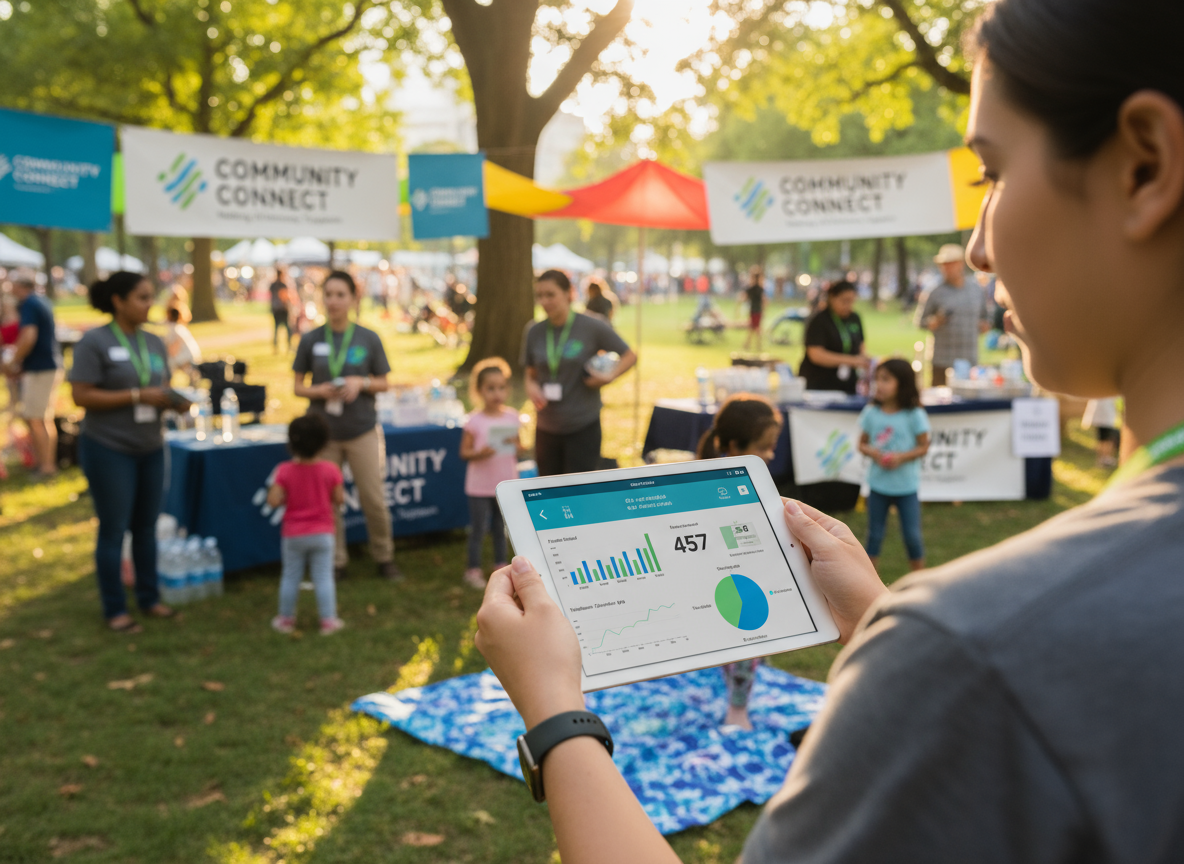
Nonprofits talk about impact every day, but measuring it is often the hardest part of the job. Teams spend hours digging through spreadsheets, collecting numbers from different programs, and trying to organize stories that show progress. By the time the report is finished, the information is already outdated. This cycle repeats every quarter and burns time that could be spent improving programs.
Automation helps make sense of the data you already have. It connects the forms, databases, and reports that most organizations use separately. When those systems talk to each other, you no longer need to chase information. Each record updates on its own, and you always know where things stand.
The change begins with structure. Every time someone donates, volunteers, or signs up for a service, that information should move automatically to your central database. Each program entry or attendance record should add to the totals that appear in your dashboard. Reports should pull from that live data instead of being built from scratch. When this is in place, you can see what is happening in real time. You know which programs are growing, where resources are tight, and what results you can show to funders.
Automating this flow of data is not complicated. Most modern tools include built-in connections or work easily with linking services. The key is consistency. Once your fields and categories match, everything stays aligned. You can trust the numbers you see without double-checking them. This accuracy builds confidence across your team and with your supporters.
Automation also makes storytelling easier. Instead of scrambling for examples at the end of the year, you have an ongoing record of results. Each update can be turned into a short message or story for your newsletter or social media. Supporters get to see progress throughout the year rather than just during campaigns. That steady visibility reinforces trust and keeps people involved.
When the data process runs smoothly, decision-making improves. You can see which efforts bring the most value and adjust quickly when something is not working. Reports become tools for improvement instead of obligations. Staff meetings focus on planning instead of troubleshooting, and leadership gains a clearer picture of what is driving success.
Many nonprofits assume automation means expensive software or new skills, but most already have what they need. It often comes down to setting up a few simple connections between existing tools. The payoff is less stress, fewer mistakes, and faster access to reliable information.
Good data supports good decisions. Automation ensures that data stays organized and available. It turns reporting from a burden into an asset and lets staff focus on strategy and communication instead of administration.
If your team spends too much time collecting information and too little time using it, BSMG Digital can help you connect your systems and create simple workflows that measure results automatically. We help nonprofits build clarity into their data so they can see progress as it happens and share it with confidence.