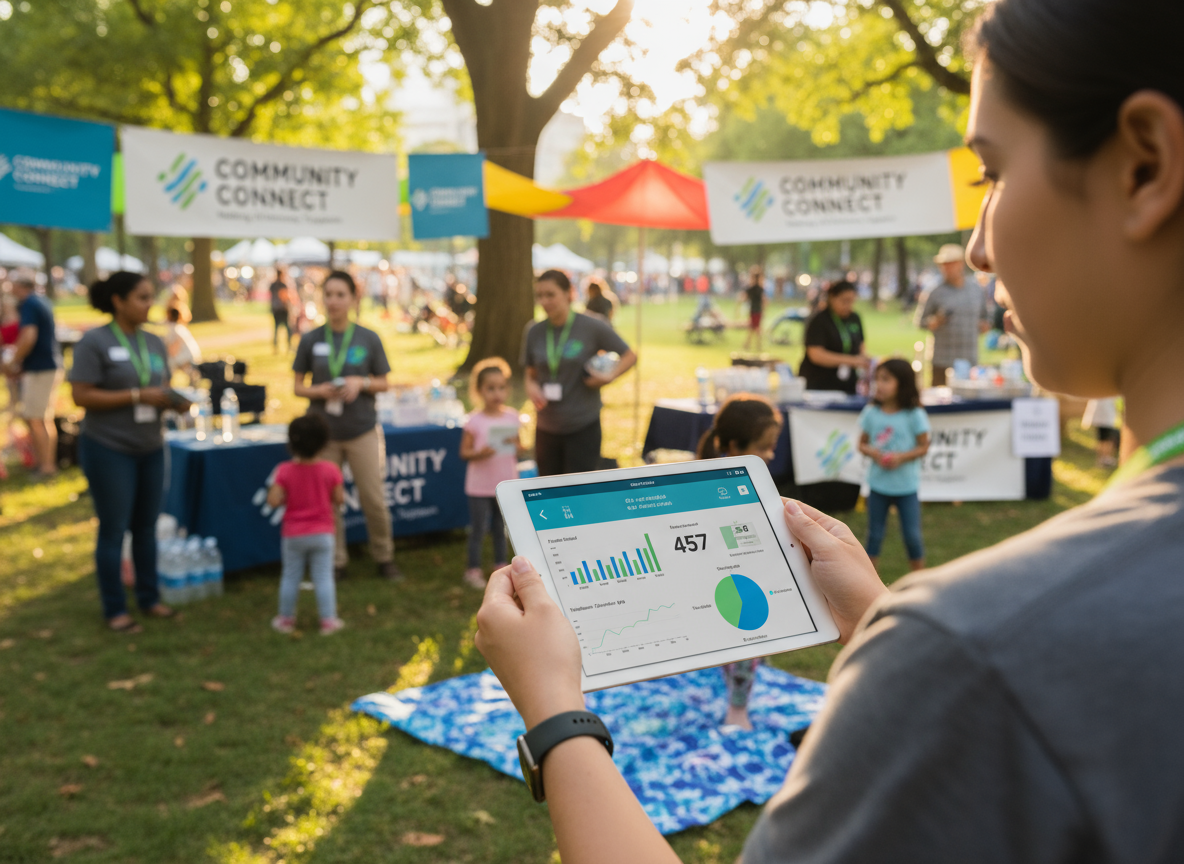
Imagine this: It’s the end of the fiscal year, and your board is asking for a comprehensive impact report. Instead of a frantic scramble, pulling data from disparate spreadsheets and outdated CRM systems, you effortlessly generate a real-time dashboard showing donor engagement, program outcomes, and volunteer hours. The numbers are fresh, accurate, and tell a compelling story of your mission’s success. This isn’t a pipe dream; it’s the reality we’ve helped countless nonprofits achieve through strategic automation. We understand the pressure to prove your impact while often feeling buried under administrative tasks. But what if we told you there’s a better way? A way to consistently track your real impact without the quarterly scramble, freeing up your team to focus on what truly matters: your mission.
The Problem: The Impact Reporting Treadmill
Many nonprofits find themselves on an exhausting impact reporting treadmill, constantly running but rarely getting ahead. We’ve seen it firsthand: dedicated teams spending countless hours manually compiling data, cross-referencing figures, and wrestling with inconsistent information. This isn’t just inefficient; it’s a drain on precious resources that could be directed towards program delivery and community engagement.
Why It Matters: This inefficiency doesn’t just waste valuable staff time; it delays critical insights, makes it harder to secure funding, and ultimately detracts from your mission. When we’re constantly reacting to reporting deadlines, we lose the proactive edge needed to truly grow our programs and serve our communities. It’s about more than just numbers; it’s about demonstrating the tangible difference you make, and manual processes often obscure that real impact.
Concrete Example: Consider a small food bank. They track food donations in one system, volunteer hours in another, and client served data in a third. When a major grant application requires a comprehensive report on community impact, their program manager spends 40+ hours manually consolidating data, cross-referencing figures, and formatting reports. This is a full week taken away from volunteer coordination or community outreach, costing the organization hundreds, if not thousands, of dollars in lost productivity and potential grant opportunities.
Actionable Next Step: Take an honest look at your current reporting cycle. Identify the top three most time-consuming data collection and aggregation tasks. These are your prime candidates for automation. We often find that even small changes here can yield significant time savings.
The Agitation: The Hidden Costs of Manual Data Management
Manual data processes aren’t just slow; they introduce a host of hidden costs that can undermine your nonprofit’s effectiveness and reputation. We often think of manual processes as simply