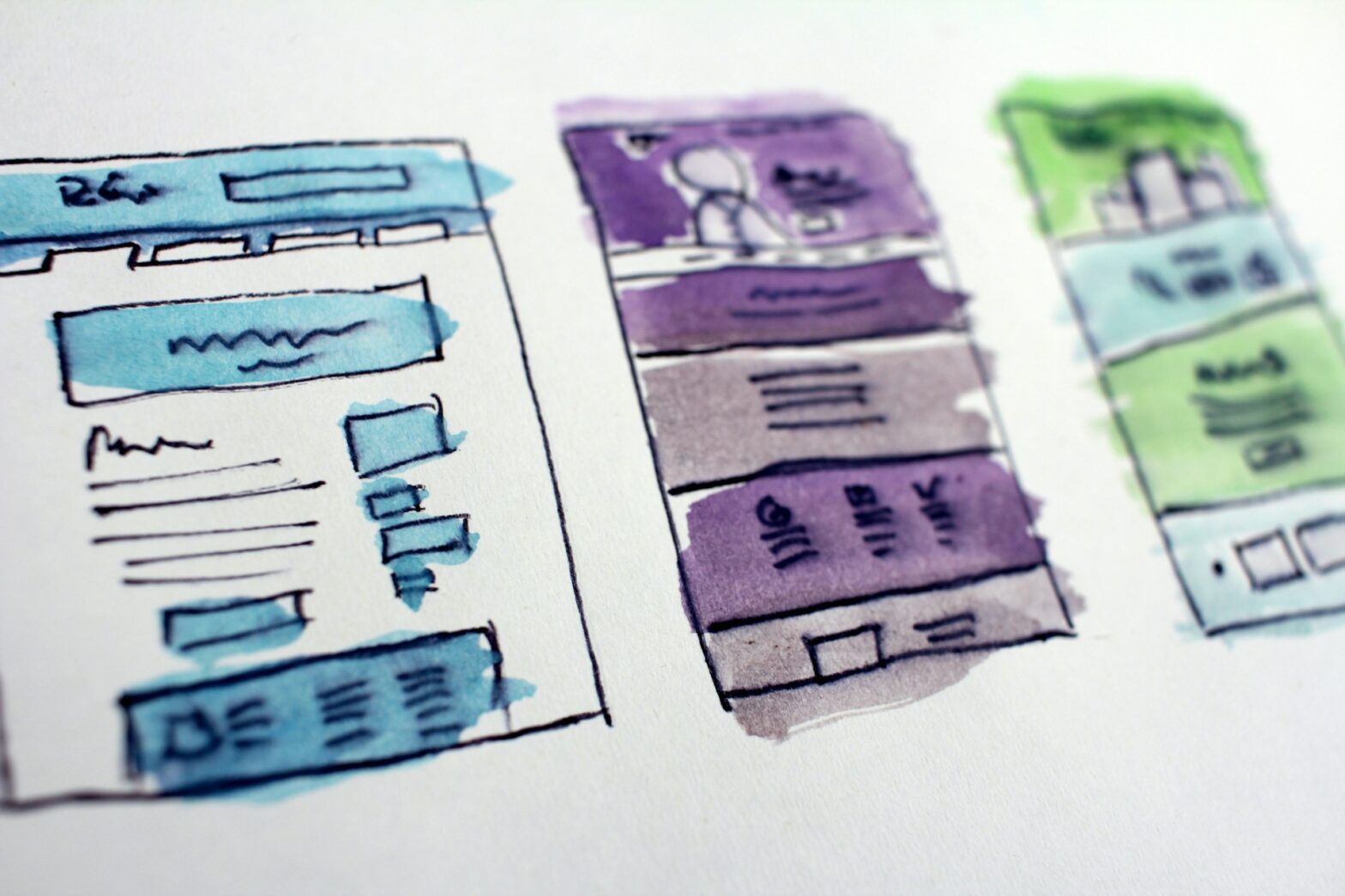
You’re staring at your organization’s website analytics, and the bounce rate is climbing. Visitors are landing on your homepage, clicking around for a few seconds, and leaving without making a donation, signing up for your newsletter, or contacting your team. For small local businesses and nonprofits, a clunky, slow website isn’t just an annoyance; it’s a direct drain on your resources and community impact.
We understand the pressure of managing digital infrastructure with limited time and budget. You need your website to work as hard as you do. This guide breaks down the structural elements of WordPress optimization and user experience (UX) design, giving you a clear roadmap to turn your site from a static brochure into an active engine for growth.
Why Website Optimization and UX Design Matter
88% of online consumers are less likely to return to a site after a bad experience. When your website is slow or difficult to navigate, you are actively turning away potential supporters and customers. Optimization and UX design are the structural foundations that ensure your message actually reaches your audience.
A well-designed website significantly enhances user engagement. It guides visitors naturally toward your goals, whether that’s increasing donations, driving sales, or building a stronger connection with your local community. By implementing systematic improvements, you can unlock the full potential of your digital presence.
The Core Principles of UX Design
Effective UX design is about removing friction. It requires a clear understanding of how your users interact with your site and systematically eliminating obstacles in their path.
- Clear Navigation: Your menu should be intuitive. Visitors need to find what they are looking for in three clicks or less.
- Mobile Responsiveness: With the majority of web traffic coming from mobile devices, your site must function flawlessly on smaller screens.
- Accessible Content: Use legible fonts, high contrast, and clear headings to make your content easy to consume for everyone.
Quick Win vs Long-Term Impact:
Quick Win: Simplify your main navigation menu to include only the five most critical pages.
Long-Term Impact: Conduct user testing every quarter to continuously refine the user journey based on real data.
Optimizing WordPress for Peak Performance
Technical performance is a critical component of user experience. A beautiful site that takes ten seconds to load will still lose visitors. WordPress offers powerful tools, but it requires careful configuration to run efficiently.
47% of consumers expect a web page to load in two seconds or less. Speed is a feature, and it requires structural optimization.
Selecting the Right Themes and Plugins
The foundation of a fast WordPress site is a lightweight theme and a minimal plugin stack. Every plugin you add introduces potential bloat and security vulnerabilities.
- Choose a Lightweight Theme: Avoid multipurpose themes packed with features you will never use. Opt for themes built for speed and accessibility.
- Audit Your Plugins: Regularly review your active plugins. If a plugin isn’t providing measurable value, remove it.
- Implement Caching: Use a robust caching solution to serve static versions of your pages, dramatically reducing server load and load times.
We know that auditing your entire site can feel overwhelming, especially when you are already stretched thin. The key is to approach optimization systematically, focusing on the highest-impact changes first.
Hot tip: Compress all images before uploading them to your media library to instantly improve page load speeds.
Your Action Plan for a Better Website
Improving your website’s UX and performance is an ongoing process, not a one-time project. By focusing on structural improvements and user-centric design, you can create a digital presence that truly serves your organization’s goals.
Start by running a speed test on your homepage and identifying the largest bottlenecks. Then, review your navigation menu and ask yourself if it clearly guides visitors to your most important actions.
Ready to transform your website into a powerful asset for your organization? Contact BSMG today to schedule a comprehensive UX and performance audit.“